


Talking to Your Teen
Open and honest conversations matter! Your involvement in your teen’s life can make all the different. It can be awkward at first, but but with practice, conversations can become a regular part of your relationship. Let’s face it, your teen will encounter substances sometime in their life, whether it is alcohol, marijuana, or even illicit drugs. One conversation can make a huge difference. Connection is the best prevention strategy there is.
Check out CDC’s Real Talk, an interactive tool to help parents and caregivers to prepare for meaningful, real-life conversations with their teens. Click here to explore more!
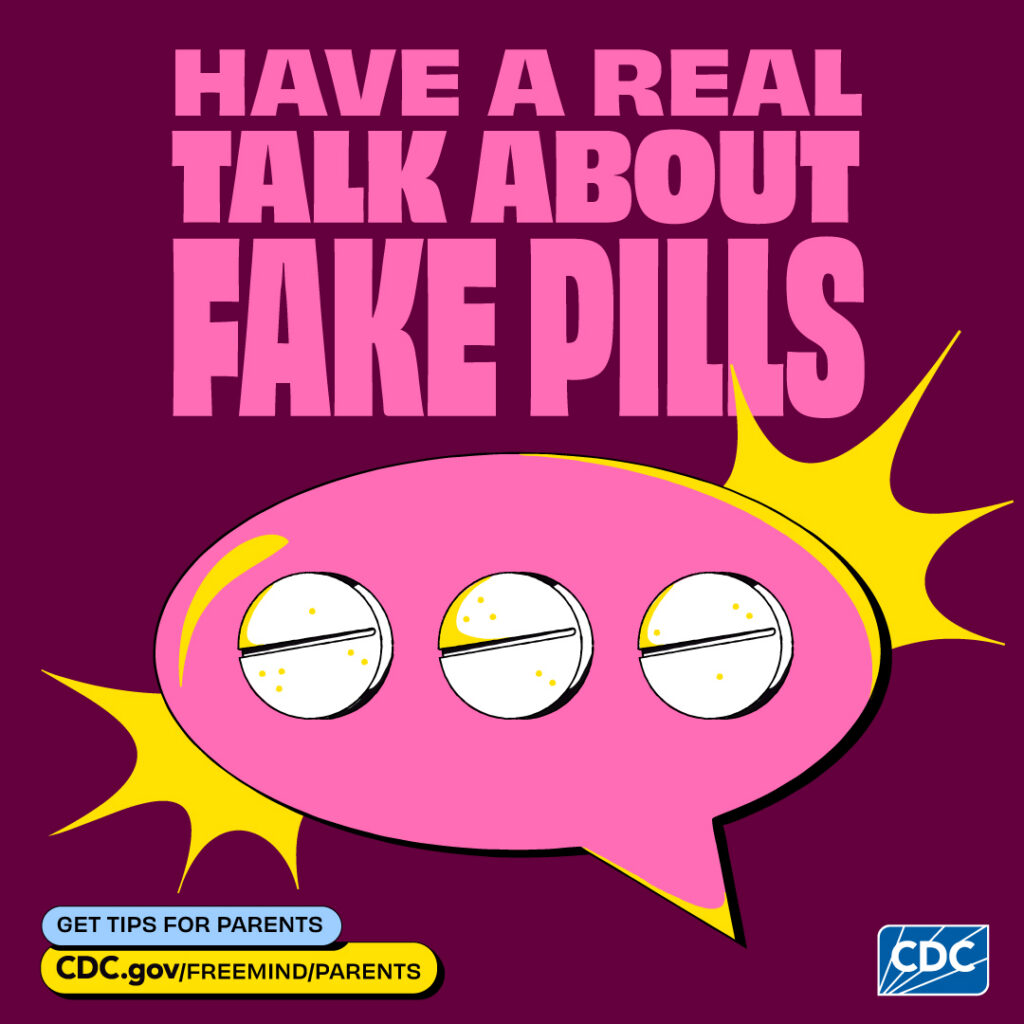
Tips for Parents & Caregivers
Be Prepared
Learning more about what teens are facing nowadays can provide important context as you talk with your teens. Even though it looks different, many of the pressures and struggles are similar to what you have probably faced. Learn more about the connection between substance use and mental health, and learn more about the common drugs that youth may come across. This can help you connect and guide your teen.
Create a Safe Space
Lead with compassion. Instead of a pointed or leading question, try being calm and nonjudgmental in your approach. Be mindful of the tone you use. When we come off as judgmental, teens can close off and avoid the topic even more. Having a conversation while doing a shared activity or when the topics are in the news can be natural ways to encourage a more open conversation.
Pause, Reflect, and Act
Once you had the first conversation, encourage more talks and give your teen some time to think about some of the hard questions. Be sure to remind them that the door is always open if they want to talk.
Better health starts in the home and in our community!
There are many factors that can influence a person’s chance of developing a mental and/or substance use disorder. By reducing risk factors and strengthening protective factors, we can make a long-term impact for the youth in our community. (SAMHSA, 2017)

What are Risk and Protective Factors?
Risk Factors are characteristics at the biological, psychological, family, community, or cultural level that are associated with a higher chance of negative outcomes.
Examples include:
- Neighborhood poverty and violence
- Inadequate supervision
- Child neglect and maltreatment
- Lack of commitment to school
- Low-self esteem
- Family conflict
Protective Factors are characteristics associated with a lower chance of negative outcomes and decreased impact of risk factors.
Examples include:
- Strong bonds with family, school, and community
- Parental involvement
- Opportunities for positive social involvement
- Availability of community resources and after-school activities
- Coping and problem-solving skills
- School attendance and success
- Community and school beliefs and standards against drug use
Free Presentations and Trainings
Rise of Fentanyl Presentation
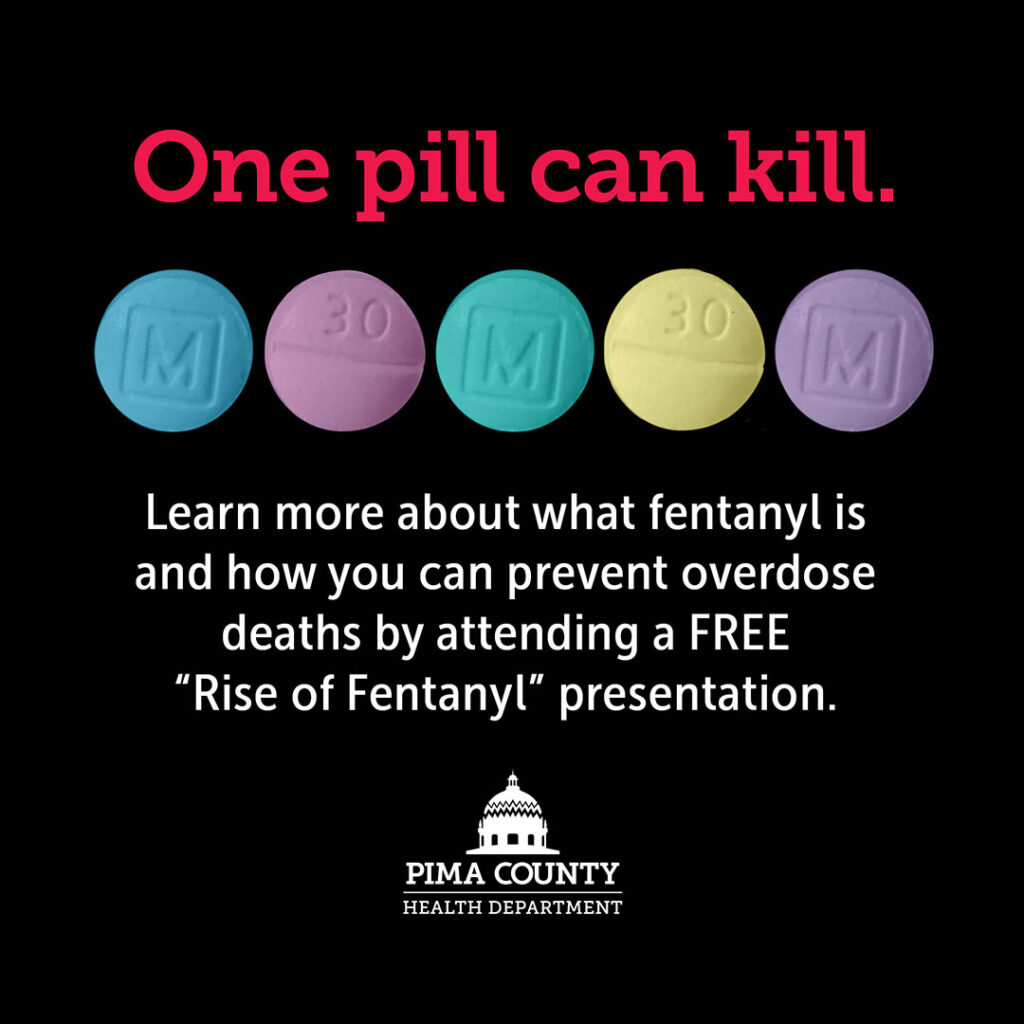
What: One (1) hour presentation
Where: In-Person or Virtual
Audiences will learn about:
- – Fentanyl
- – Driving forces behind the increase in overdose and overdose deaths
- – Risk factors and prevention methods
- – Substance use resources
Presentations for adult audiences include useful skills to help keep children safe, and tips on how to have discussions with youth about fentanyl and other drugs.
Interested?
Click the button below to complete our interest form. For more information, email CMHA@pima.gov.
QPR Gatekeeper Training
What: One (1.5 – 2) hour training
Where: In-person or virtual
Audiences will learn:
- – Warning signs of suicide
- – Risk & protective factors
- – Common myths and facts
- – How to Question, Persuade, and Refer someone who may be suicidal
Participants will receive:
- – QPR Gatekeeper Certificate (valid for 2 years)
- – QPR booklet and card with crisis resources
- – Access to QPR Institute website for resources
- – “Suicide: The Forever Decision” e-book
- – Continuing Education (CE) credits
Interested?
Click the button below to complete our interest form. For more information, email CMHA@pima.gov.
Youth Mental Health First Aid
LIKE CPR,
But FOr the MInd
What: One (8) hour or two (4) hour trainings
Where: In-person (recommended) or virtual
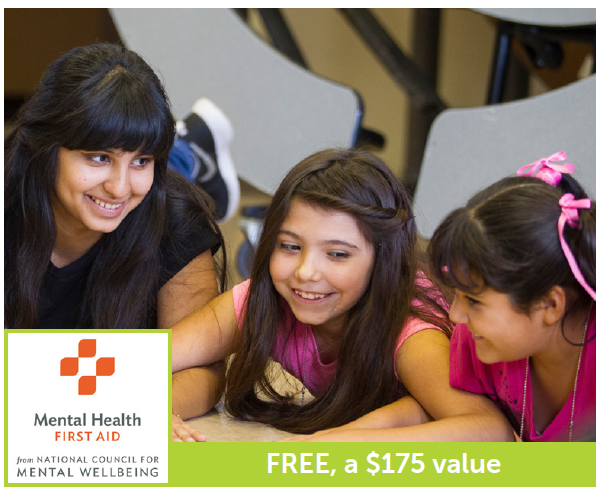
Youth Mental Health First Aid is an evidence-based training that introduces adults to the unique risk factors and warning signs of mental health concerns in youth ages 12 – 18, builds an understanding of the importance of early intervention, and teaches individuals how to help youth in a crisis or who may be experience a mental health or substance use challenge.
Participants will receive:
- – Free training and manual valued at $175
- – Certification in Mental Health First Aid*
Interested?
Click the button below to complete our interest form. For more information, email MHFA@pima.gov.
*Certification is valid for three years